
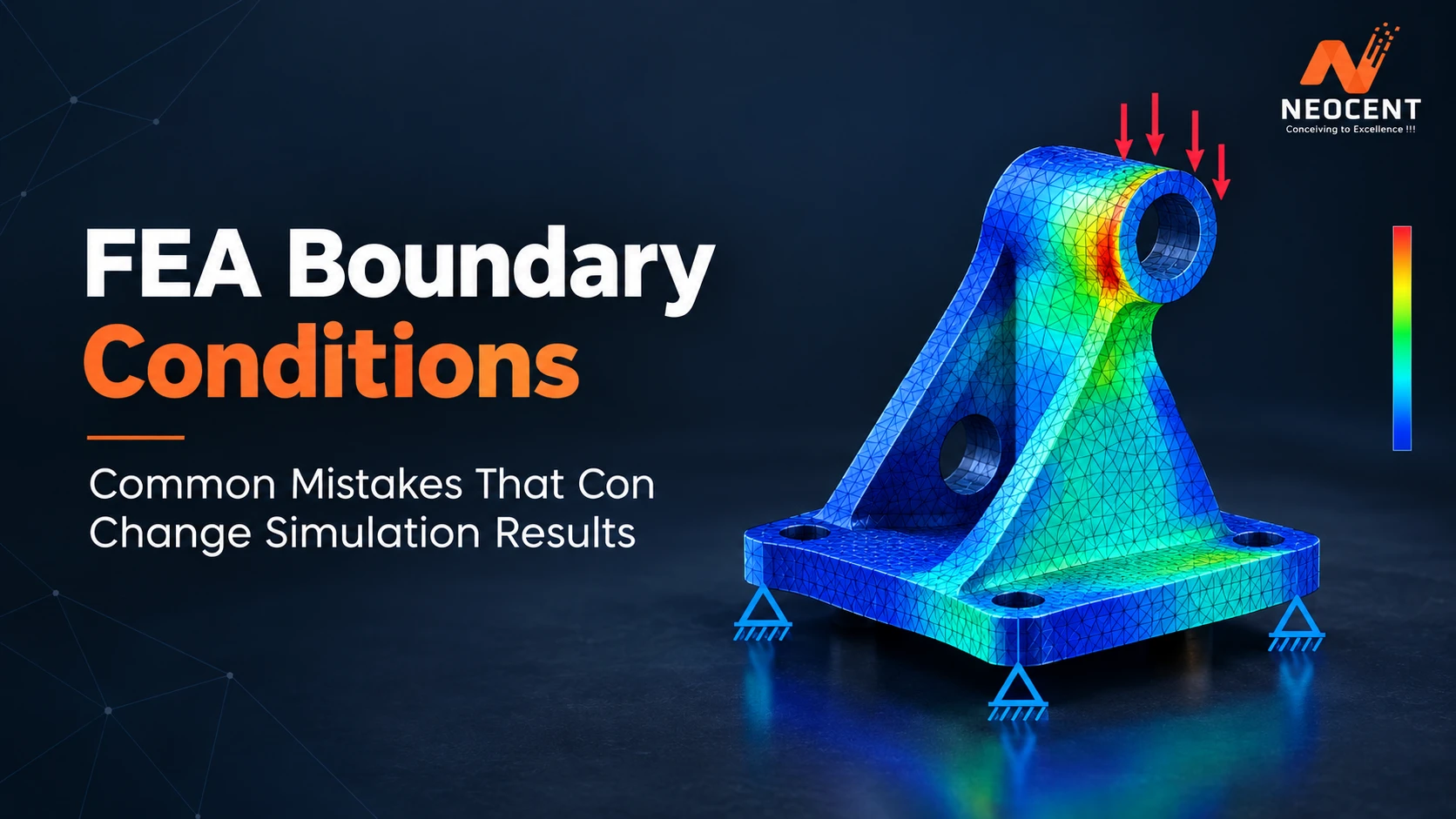
FEA Boundary Conditions: Common Mistakes That Can Change Simulation Results
Finite Element Analysis (FEA) is widely used to evaluate structural strength, deformation, stress distribution, and component performance under different loading conditions.
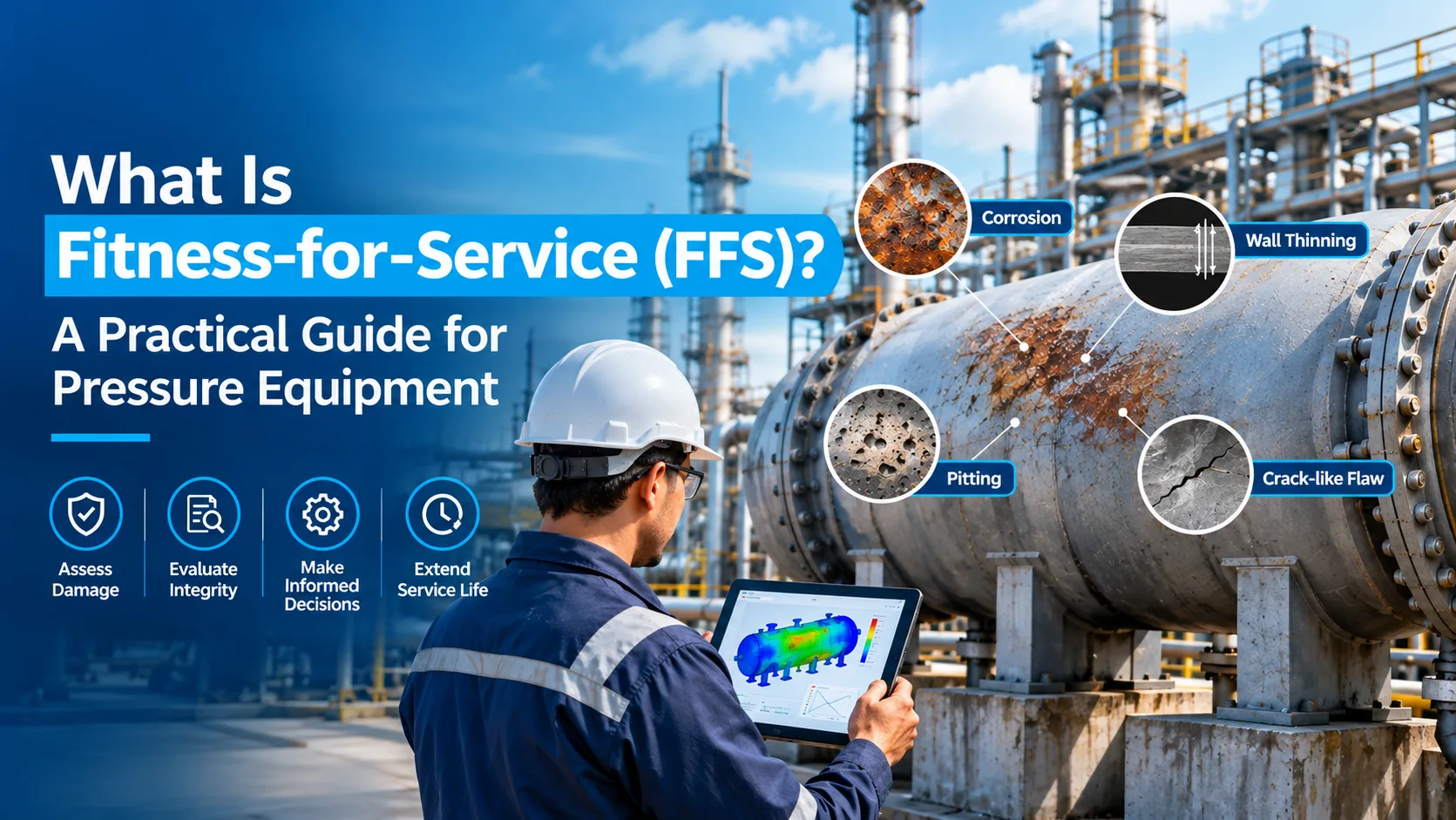
What Is Fitness-for-Service (FFS)? A Practical Guide for Pressure Equipment
Pressure vessels, piping systems, storage tanks, and other industrial equipment can experience corrosion, cracking, wall thinning, deformation, fatigue, or other forms of damage during operation.

Hydrogen Pressure Vessel Design: Key Engineering Challenges and FEA Considerations
Hydrogen is becoming an important energy carrier for clean-energy applications, including hydrogen storage, transportation, fuel-cell systems, industrial processing and renewable-energy integration.
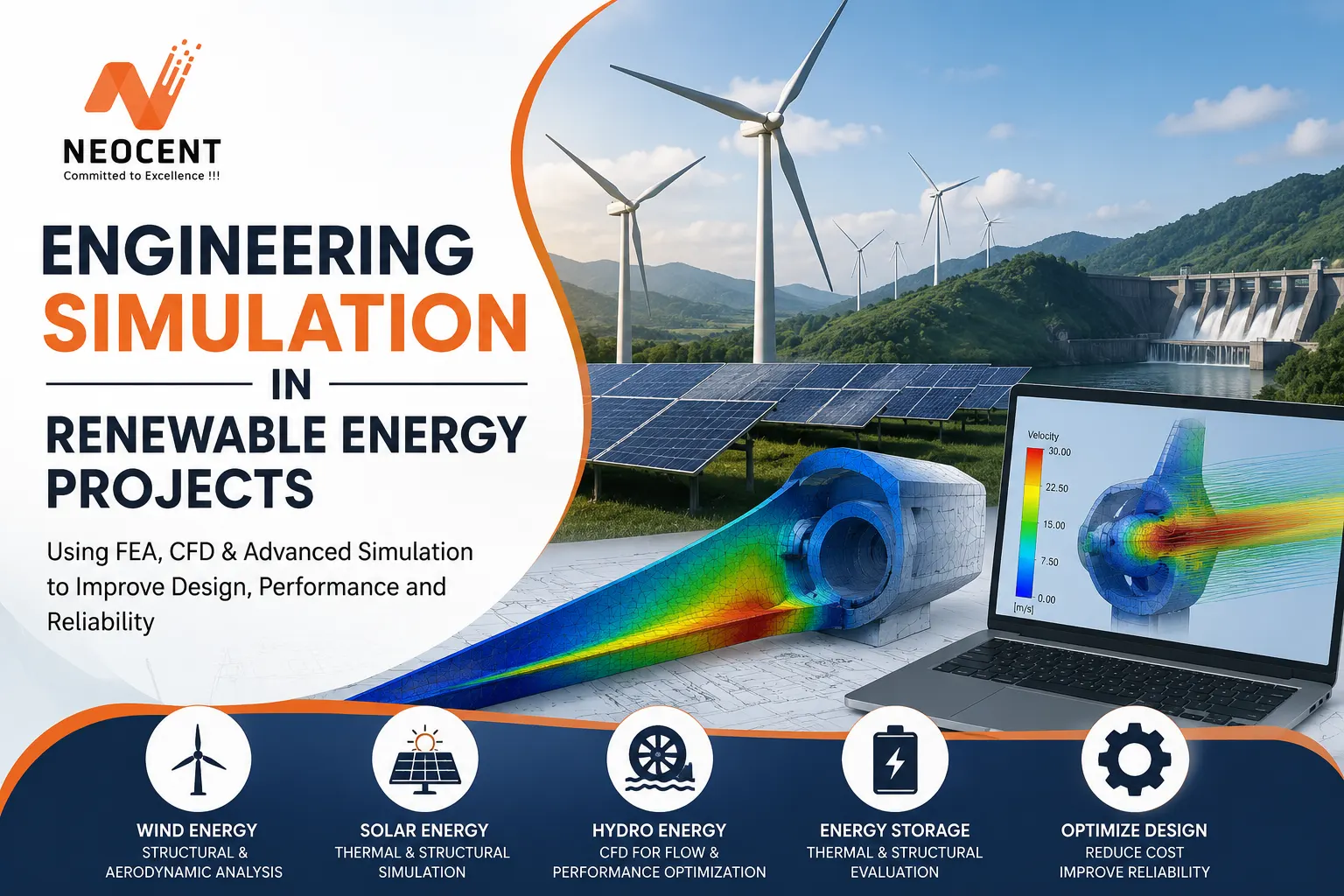
Engineering Simulation in Renewable Energy Projects: Improving Design, Performance and Reliability
Industrial skid systems play a critical role in sectors such as oil & gas, chemical processing, pharmaceuticals, water treatment, power generation, and food manufacturing.
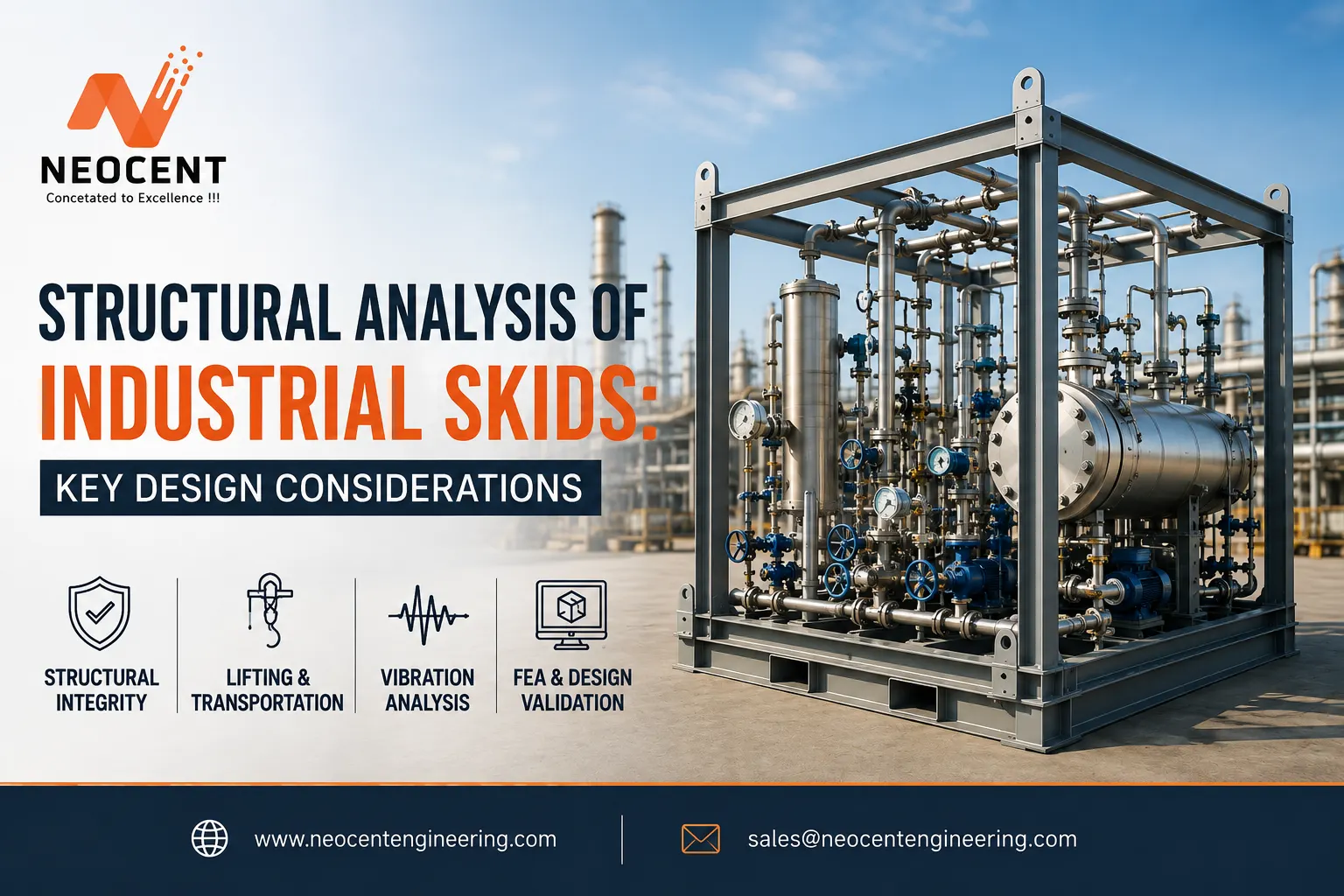
Structural Analysis of Industrial Skids: Key Design Considerations
Industrial skid systems play a critical role in sectors such as oil & gas, chemical processing, pharmaceuticals, water treatment, power generation, and food manufacturing.
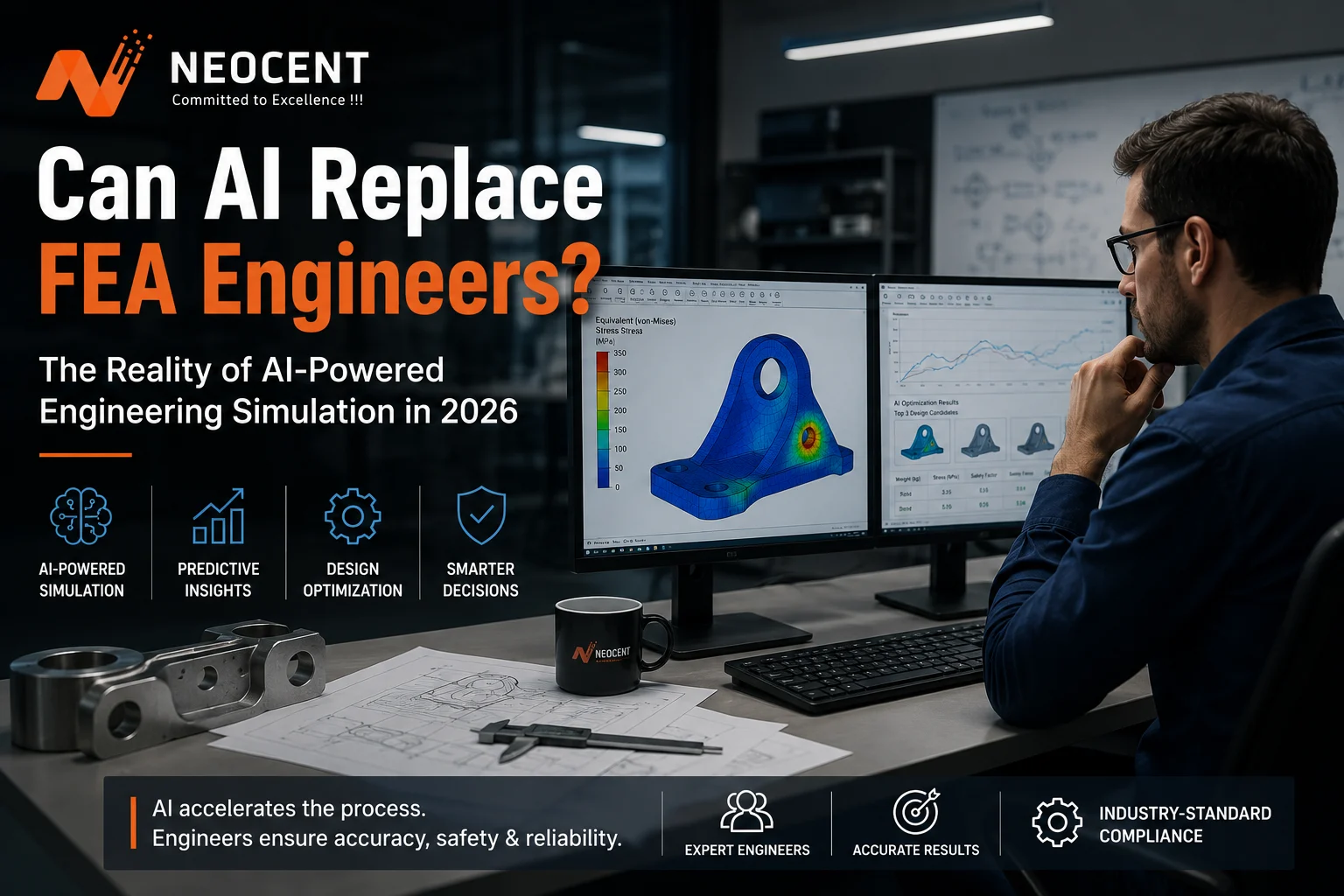
Can AI Replace FEA Engineers? The Reality of AI-Powered Engineering Simulation in 2026
Artificial Intelligence (AI) is reshaping industries across the globe, and engineering is no exception. From automated CAD modeling to predictive maintenance and design optimization, AI-powered tools are becoming an integral part of modern product development.
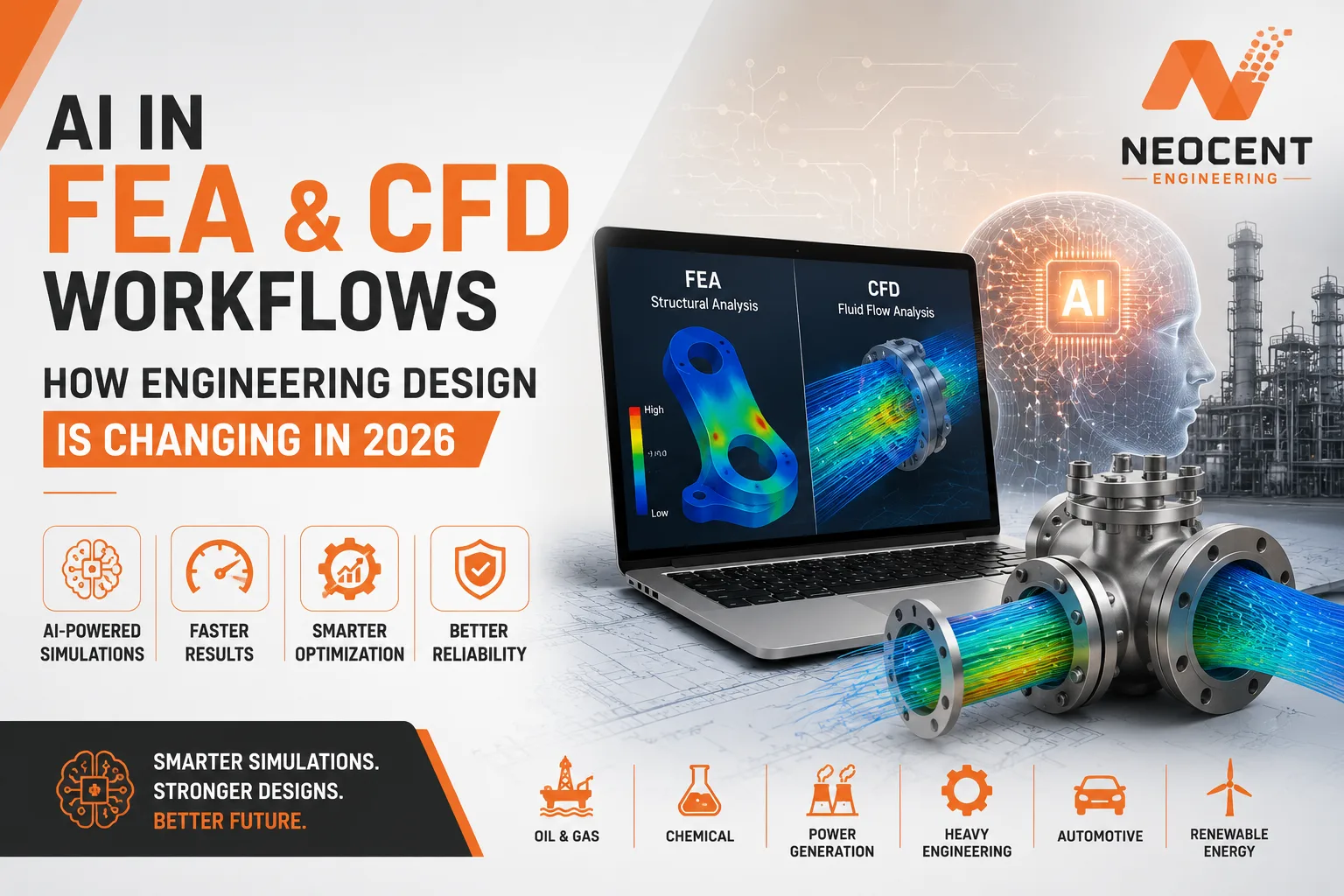
AI in FEA and CFD Workflows: How Engineering Design is Changing in 2026
In today’s competitive engineering and manufacturing landscape, companies are constantly searching for ways to reduce product development costs while maintaining quality, performance, and reliability.
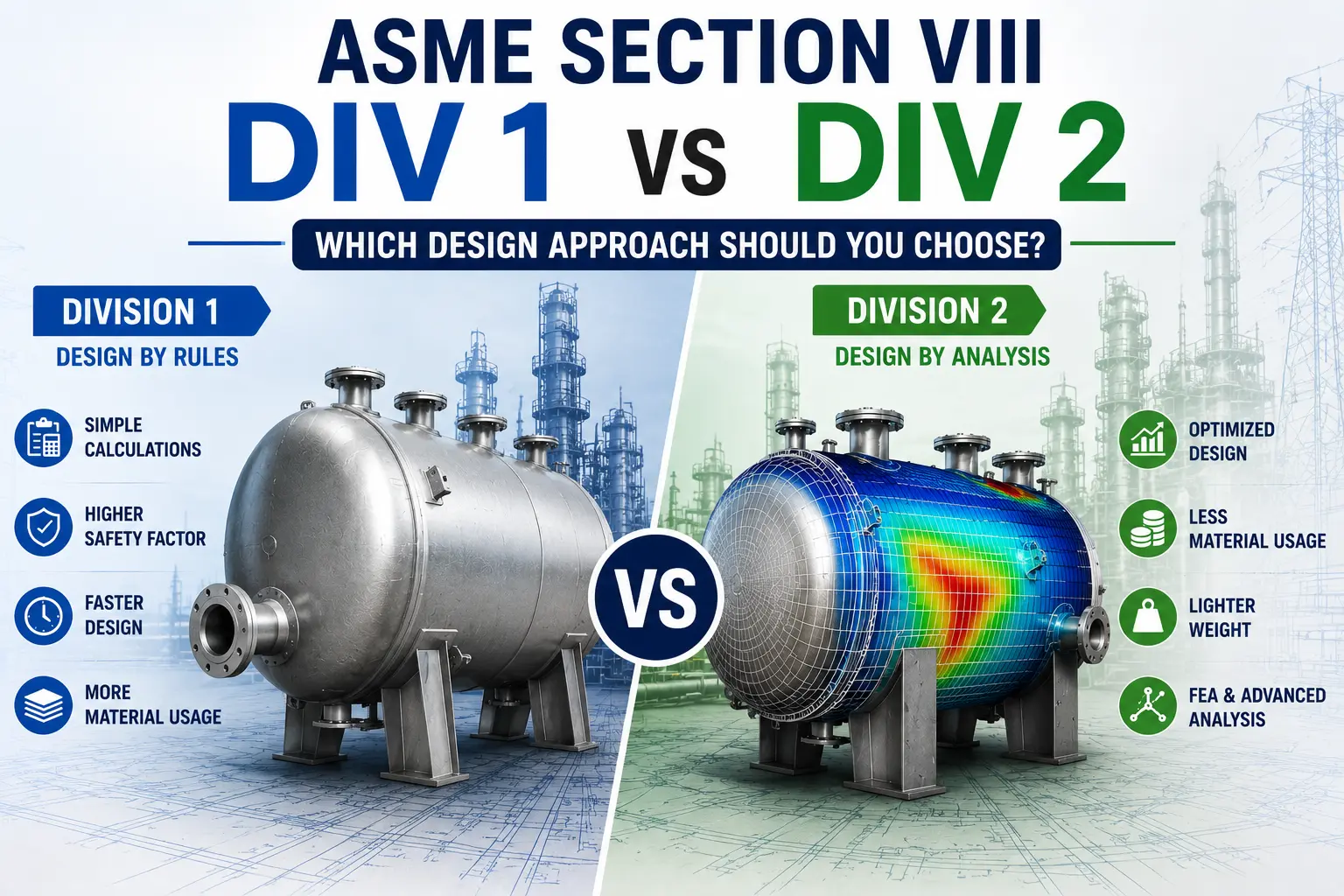
ASME Section VIII Div 1 vs Div 2: Which Design Approach Should You Choose?
Pressure vessels are critical components across industries such as oil & gas, chemical processing, power generation, pharmaceuticals, and petrochemicals.
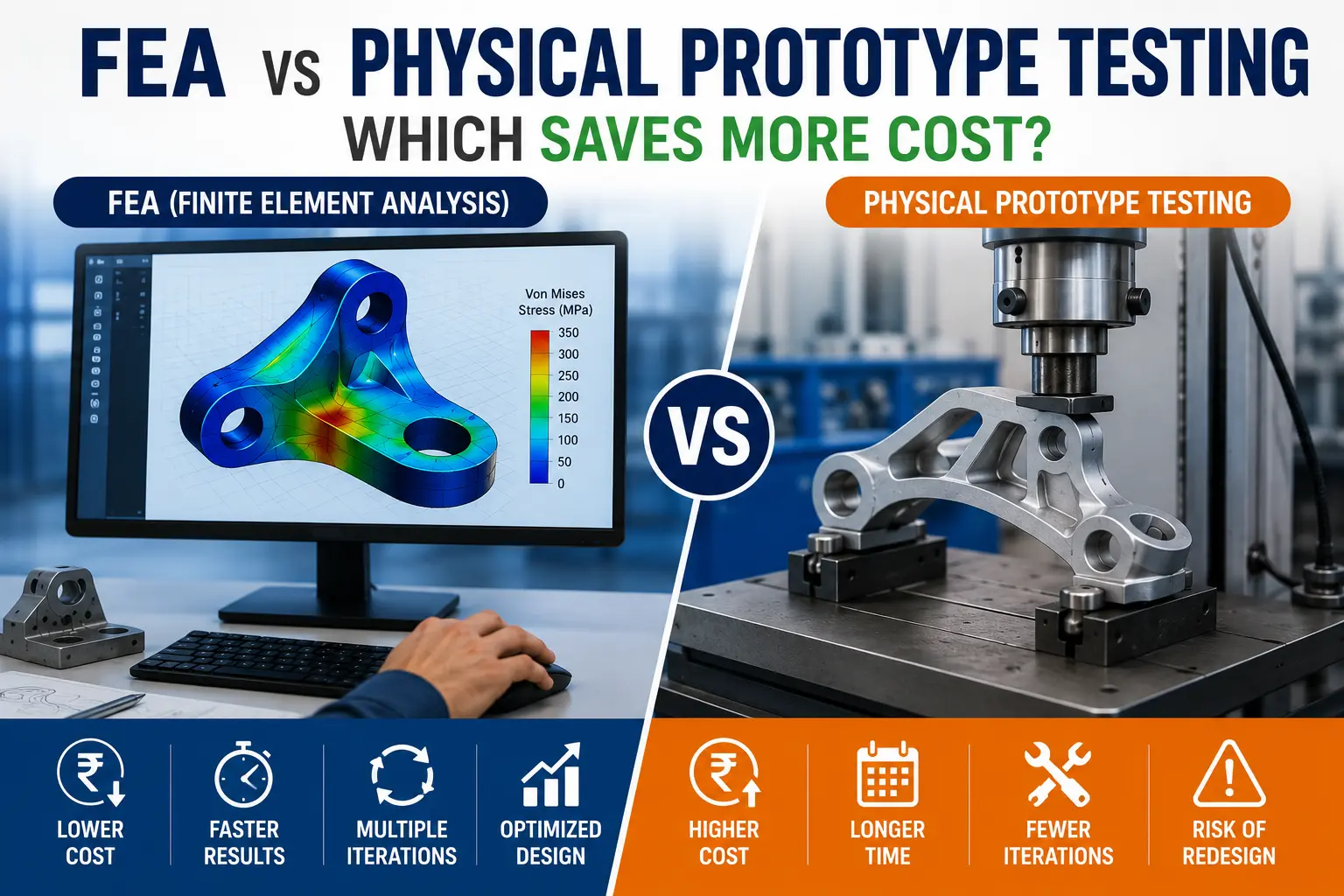
FEA vs Physical Prototype Testing: Which Saves More Cost?
In today’s competitive engineering and manufacturing landscape, companies are constantly searching for ways to reduce product development costs while maintaining quality, performance, and reliability.
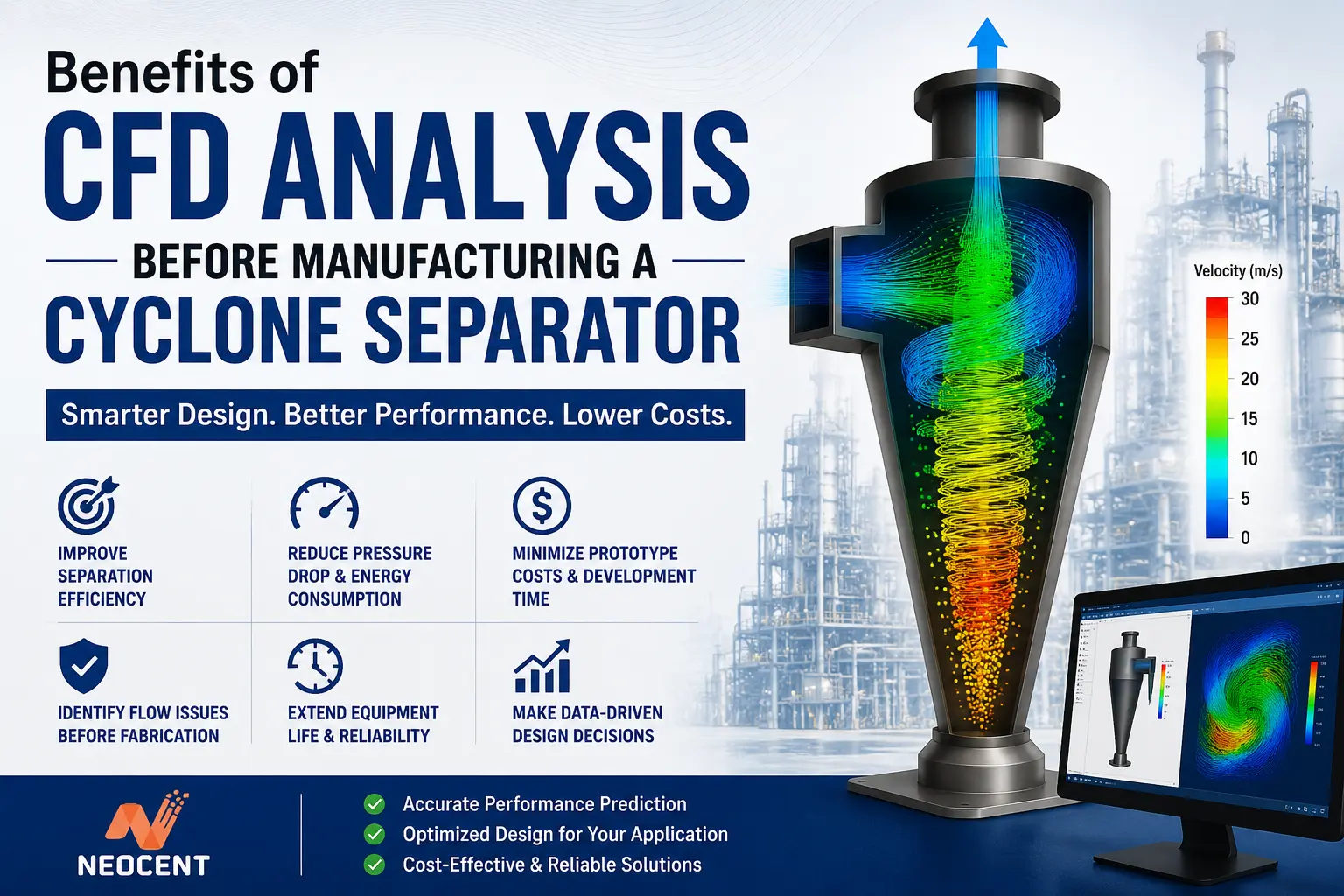
Benefits of CFD Analysis Before Manufacturing a Cyclone Separator
In industries such as cement, chemical processing, mining, pharmaceuticals, power generation, and food processing, cyclone separators play a critical role in dust collection and particle separation.
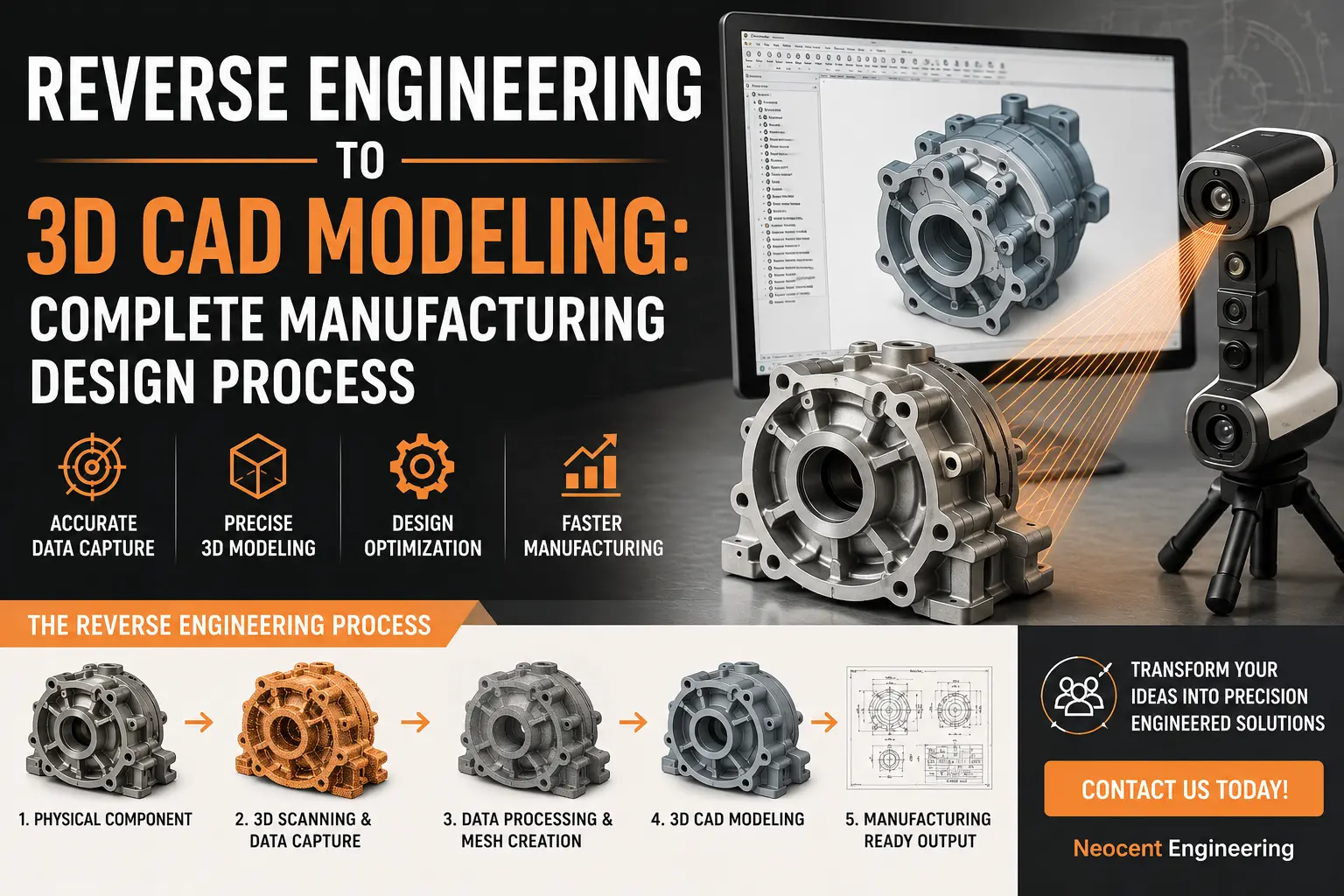
Reverse Engineering to 3D CAD Modeling: Complete Manufacturing Design Process
In today’s competitive industrial landscape, manufacturers and engineering companies constantly seek faster, more accurate, and cost-effective ways to develop products.
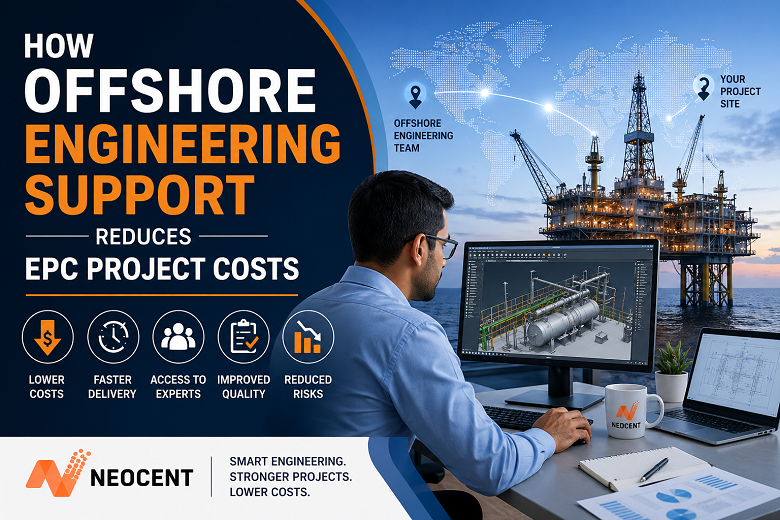
How Offshore Engineering Support Reduces EPC Project Costs
In today’s highly competitive industrial landscape, Engineering, Procurement, and Construction (EPC) companies are constantly looking for smarter ways to improve efficiency, reduce project delays, and control overall costs.